Polytechnic education is a practical route for students who want technical learning, skill development and career opportunities after Class 10th.
What Is a Diploma Engineering Course?
A diploma engineering course is a technical education program that teaches students the basics of engineering in a practical way. Instead of only studying theory, students learn through labs, workshops, drawings, machines, tools and field-based concepts.
These courses are usually chosen by students after Class 10th. After completing a diploma, students can explore jobs, apprenticeships, technical roles or higher studies such as lateral entry into B.Tech, depending on eligibility and rules.
Why Students Choose Diploma Engineering After 10th
Many students choose Polytechnic because it gives them early exposure to technical education. It is suitable for students who like practical learning and want to build industry-related skills.
- It gives early entry into technical education.
- It focuses on practical skills and workshops.
- It can lead to junior technical roles.
- It can support future higher studies in engineering.
- It is useful for students interested in industry, machines, construction or electrical systems.
Popular Diploma Engineering Branches
Students should choose a branch based on interest, career goals and practical skills. Different branches lead to different career paths.
| Diploma Branch | Suitable For Students Interested In |
|---|---|
| Civil Engineering | Construction, buildings, roads, bridges, site work and infrastructure |
| Mechanical Engineering | Machines, manufacturing, production, maintenance and design basics |
| Electrical Engineering | Power systems, wiring, machines, electrical maintenance and control systems |
| Electronics Engineering | Circuits, communication, embedded systems and electronic devices |
| Computer Science | Programming, computers, software basics, networking and databases |
Civil Engineering Diploma
Civil Engineering is one of the core branches of Polytechnic education. Students learn about building materials, construction methods, surveying, structural basics, estimation and site-related work.
This branch can be suitable for students who are interested in construction projects, buildings, roads, bridges and infrastructure development. Civil diploma students may explore roles related to site supervision, drafting, estimation and construction support.
Mechanical Engineering Diploma
Mechanical Engineering is connected with machines, manufacturing, production, workshop practice, maintenance and design basics. Students who like machines, tools and technical systems often choose this branch.
Mechanical diploma students can explore opportunities in manufacturing units, production departments, maintenance teams, automobile-related work and industrial support roles.
Electrical Engineering Diploma
Electrical Engineering focuses on power, machines, wiring, circuits, electrical equipment, control systems and maintenance. It is useful for students who are interested in electrical systems and industry work.
Electrical diploma students may explore jobs in maintenance, electrical installation, power distribution support, panel work and industrial electrical systems.
Skills Students Build in Polytechnic
Polytechnic education is useful because it helps students build technical and workplace skills together. Students should not focus only on passing exams. They should also learn practical skills that help in jobs and higher studies.
- Technical drawing and reading basics
- Workshop and lab practice
- Machine and tool understanding
- Problem-solving ability
- Basic computer knowledge
- Measurement and calculation skills
- Communication and teamwork
- Safety and discipline in technical work
Career Options After Diploma Engineering
After diploma engineering, students can explore different career paths depending on their branch, skills and interest. Some students start working, while others continue higher studies.
| Path After Diploma | What It Means |
|---|---|
| Job or apprenticeship | Students can explore junior technical roles or industry training opportunities |
| Lateral entry B.Tech | Eligible diploma students may continue engineering through lateral entry as per rules |
| Government job preparation | Students can prepare for technical assistant, junior engineer and other competitive roles |
| Skill certification | Students can add short-term technical certifications for better practical knowledge |
| Entrepreneurship | Some students use technical skills to start small service or workshop-related work |
Higher Studies After Polytechnic
Diploma students who want to continue their education can explore higher studies. One common route is lateral entry into B.Tech, where eligible students may enter engineering degree programs as per university and regulatory guidelines.
Higher studies can be useful for students who want deeper technical knowledge, better career opportunities, teaching options or long-term growth in engineering.
How to Choose the Right Polytechnic College
Students and parents should choose a Polytechnic college carefully. A good Polytechnic college should support practical learning, discipline, labs, workshops and career guidance.
| What to Check | Why It Matters |
|---|---|
| Branches offered | Students should choose a branch that matches their interest |
| Labs and workshops | Diploma engineering needs practical learning |
| Faculty guidance | Good teachers help students understand technical basics |
| Placement support | Career guidance and recruiter connect help students prepare for jobs |
| Campus discipline | A focused environment supports learning and skill development |
Why Practical Training Matters in Diploma Engineering
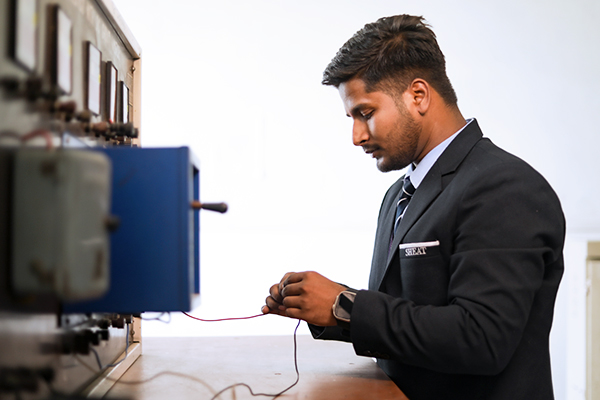
Diploma students should learn by doing. Practical training helps students understand how concepts are used in real work. For example, a Civil Engineering student should understand site work and materials. A Mechanical student should understand machines and workshop practice. An Electrical student should understand wiring, safety and equipment.
Practical learning also helps students perform better in interviews because they can explain what they have done, not only what they have studied.
SHEAT College of Polytechnic
SHEAT College of Polytechnic, Varanasi offers diploma engineering education for students who want technical learning and career-focused guidance. Students can explore Polytechnic programs and placement records through the official website.
Helpful links:
- SHEAT College of Polytechnic
- SHEAT Polytechnic Placement Records
- Contact SHEAT Group of Institutions
- SHEAT Group of Institutions
Simple Roadmap for Polytechnic Students
Students can follow this simple roadmap to make better use of their diploma years.
- First year: Build subject basics, discipline and study habits.
- Second year: Focus on labs, workshops, practical files and technical understanding.
- Final year: Prepare for placement, higher studies, resume, interviews and technical revision.
Common Mistakes Students Should Avoid
- Choosing a branch only because friends are choosing it.
- Ignoring workshop and lab practice.
- Waiting until final year to think about career.
- Not improving communication skills.
- Not keeping documents and certificates properly.
- Not learning basic computer skills.
Final Words
Diploma engineering courses after 10th can be a practical choice for students who want technical education, hands-on learning and early career direction. Polytechnic education helps students explore engineering basics through labs, workshops and branch-specific subjects.
Students should choose their branch carefully, focus on practical skills and start career preparation early. With discipline and regular learning, diploma students can build strong opportunities in jobs, higher studies and technical careers.
FAQs on Diploma Engineering Courses After 10th
Can I do diploma engineering after 10th?
Yes, many students choose diploma engineering after Class 10th. Eligibility and admission rules may depend on the board, state and institution guidelines.
Which diploma engineering branch is best?
The best branch depends on your interest. Civil, Mechanical, Electrical, Electronics and Computer Science all have different career paths.
Can I do B.Tech after Polytechnic?
Eligible diploma students may explore B.Tech through lateral entry as per university and regulatory rules.
Is Polytechnic good for jobs?
Polytechnic can support job opportunities if students build practical skills, technical knowledge, communication and interview preparation.
Where can I explore Polytechnic programs at SHEAT?
Students can visit the official page here: SHEAT College of Polytechnic.